Mar 2021: Brushes, Loofahs, and Sponges, Oh My!
- Kaili Brande
- Mar 16, 2021
- 5 min read

Updated: Jan 8, 2022
Hello everyone and Happy 2021! I apologize for the missing blog post in January (turns out being a PhD student can be really busy!). But I’m happy to be returning to our bimonthly posting schedule. 😊
As the New Year has unraveled, one small but notable opportunity to prioritize sustainability has shown up in my kitchen and bathroom: the use of plastic sponges. As I have downshifted my use of disposable plastics in my kitchen (i.e. Swedish dishcloths), I realize that I wasn’t noticing a small but deadly culprit: the little blue rectangular sponge sitting by my sink. While using a sponge for cleaning purposes is nothing new (it first arose with the ancient Greeks and Romans), the use of sponges made almost exclusively with plastic has only arisen since the 1940’s and 1950’s, after polyurethane was produced by a German scientist (with the company Bayer) in 1937.

Sponges and other cleaning apparatuses are not only are a mainstay of the kitchen, but other parts of the household. However, with all the sponges we go through and discard in a single year, that can lead to a notable buildup of waste. And sponges, as much as they seem like a benign object, are essentially derived of soft plastic, and therefore will never be recyclable nor compostable. This leads to a lot of non-biodegradable matter being sent to landfills each month, each year, all across the world. In addition, sponges naturally break down over time, which means with each dish washing session, microplastics are sloughed off the sponge and sent down the drain. And microplastics are an already increasingly serious environmental problem for our waterways and ocean health.
Luckily, there are several alternatives that not only clean our dishes effectively, but also have a much lighter "footprint" on the planet! Below, we’ll evaluate these products in both the kitchen and the bathroom.

Kitchen
Most sponges we have in our kitchens (at least in the U.S.) are essentially short-term-use pieces of plastic. Because they harbor a surprisingly high level of bacteria in all of their inner surfaces, they aren’t a superior choice sanitation-wise, either. What could we use instead?
1) Naturally-sourced brushes: These brushes are often made with wooden handles and natural bristle fibers. For cleaning most surfaces, I like to use a round bamboo brush, as pictured below. It is easy to use without a long handle, and dries out relatively quickly. And while it is sure to last a while, I know that when its life ends, I can simply place it in my compost bin.

2) Plastic-derived brushes: While using a naturally-sourced brush is the best option, a plastic-derived brush can be a good alternative if you want to designate it to clean specific surfaces (i.e. cutting boards that touch raw meat). While these brushes will not be as sustainable as the naturally-sourced ones, these will still be a greater alternative than plastic sponges. This is because, over time, the kitchen brush will last you years while the sponge will only last a matter of months, piling up in the garbage bin over the year. When quantifying the environmental impact of a product, an extended life span will always make it a “greener” choice because, for all of the energy (oil, electricity, etc.) and resources (plastic, metal, etc.) that went into making the product, it was that much more useful - that much longer - per unit of resource.

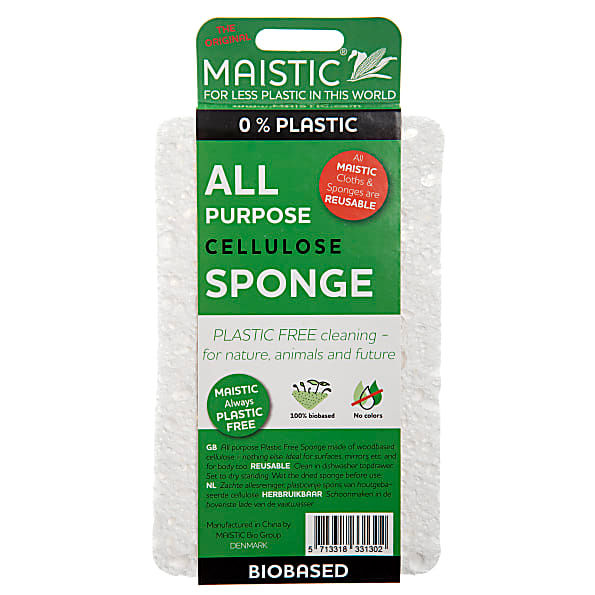
3) Naturally-sourced or recycled sponges: A third potential option would be to stick with the traditional sponge design, but make it sustainable. Here are two examples of a cellulose-based (biodegradable) sponge and a recycled-plastic sponge. Sponges sourced from biodegradable materials have the least impact; the recycled plastic option is a decent alternative, but at the end of the day is still a plastic object being thrown-away.
This blog page has many more fantastic sponge alternatives!
At the minimum, if one can’t live without plastic sponges, you can opt to make them last longer by sanitizing them periodically. This can lead to buying overall less of them per year, thereby reducing your overall plastic consumption. In order to sanitize them properly, you can:
a) Microwave the (wetted) sponge for 30 seconds. (I’ve tried this before and it immediately removed any stench. Wow, who knew?).
or
b) Soak the sponge in a bleach and water solution. Time Magazine says this is the most effective method for removing bacteria. (Running it through the dishwasher was considered a third option but less effective than the above two methods).
Bathroom
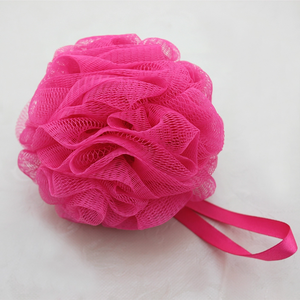
In the bathroom, specifically the shower, some people use exfoliating scrubbers, “loofah”s, or other tools to exfoliate and clean skin. While the term “loofah” is based on a real biological plant, most loofahs are plastic-based webs of synthetic fibers. Definitely not a sustainable choice... What are some alternatives?


1) Natural Loofahs: Natural loofahs (sourced from a gourd plant!) are increasing in popularity, and are a great plastic-free alternative that is naturally compostable! One loofah I’ve tried and like is from Package Free shop (see below). This example is also grown by a single family farm, which provides the benefit of supporting a small business too. Once it’s reached the end of its life, you can rinse it well and throw it in the compost bin.

2) Natural Sponges: Another sustainable option for cleansing purposes could be a natural sponge. The risk of poaching does exist for these sponges, since they’re actually marine animals that are harvested from the ocean. However, if harvested sustainably, these can be an eco-friendly choice, and this brand shows an example of sustainable harvesting. Similar to loofahs, because these are sourced from a real living thing, they can be composted at the end of their life.

Just as with synthetic sponges, natural loofahs and sponges do run the risk of harboring bacteria over time, so it's important to clean them every so often. One can use a baking soda and water solution as described here.
At the end of the day, regardless of whether your tool is natural sourced or plastic-derived, bacteria will eventually overcome the tool and you’ll need to discard it. However, when you inevitably throw the product away, it will decompose faster and not add to the growing landfill heap if you opted for a biodegradable option. On the broader scale of sustainability, the biodegradable option will always win out over the plastic scrub brush.

Overall, reducing our single use plastic is always the goal. By swapping plastic sponges for natural sponges, bamboo brushes, loofahs, and other sustainable options, we can be sure that we’re acting as sustainable consumers and minimizing our impact on the world's resources and ecosystems. It’s always important to remember that even the small changes (like replacing a single sponge!) can really add up over time.

So, which new cleaning product are you inspired to try? Leave a comment below with any stories or tips you have for making our brushes, loofahs, and sponges more sustainable!


Comments