Jun 2021: Ditch the Baggage of Baggies
- Kaili Brande
- Jun 29, 2021
- 4 min read

Updated: Jan 8, 2022
Hi everyone, and Happy Summer (for those of us in the Northern Hemisphere, anyway)! ☀️As many of us begin attending more social activities this summer, the use of food containers will rise as we pack our picnic lunches and bring our favorite dish to dinner parties. However, the types of containers we use will affect how sustainable our lifestyles are.
In order to live more sustainably (as one may guess from the posts in this blog), it is critical to reduce one’s use of single-use plastics. There are a whole host of benefits: reduced contributions to landfills (a finite resource), reduced greenhouse gas emissions from producing the plastic products every time, and (often) a reduced exposure to common chemicals in plastics such as phthalates, parabens, or BPA.

One of the simplest ways to reduce your single-use plastic usage in the kitchen is to ditch the baggage of baggies! “Ziploc”-style baggies, that is. Although Ziploc is the brand name variety, zip top bags come in all different shapes, varieties, and brands. They are also used for a wide variety of purposes: storing sandwiches; holding loose snacks like granola, trail mix, or fruit; freezing meat or baked goods for future use; and storing non-food items in the long- and short-term. All in all, these bags seem pretty spectacular, and have become a popular staple of American society since the early 1970’s. So much, that the average American family uses about 500 of these bags each year.
At the end of the day, the reality is that very few of these bags get reused (meaning almost all are routed to the dumpster). While it is certainly possible to reuse them (if they haven’t stored meat or other foods with high contamination risk), very few people do take the time to wash them, dry them out, and repeat.
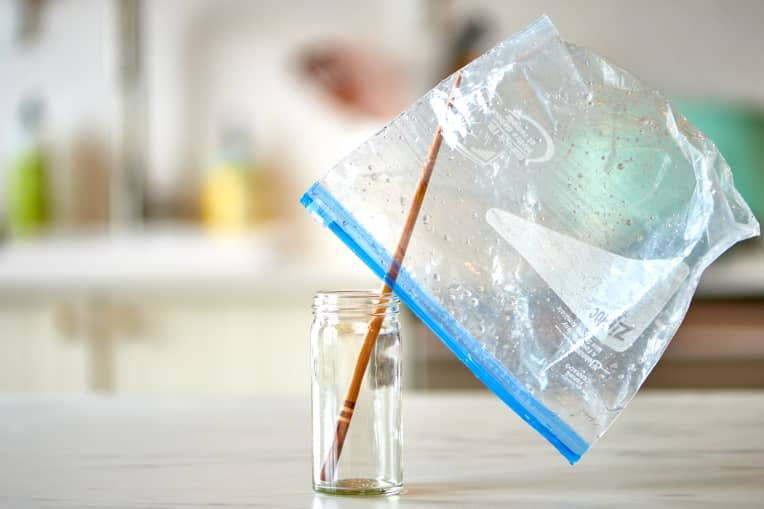
From my perspective, I’d much rather be washing and reusing a sturdy food container, rather than a flimsy, clingy, thin plastic bag, which could also very possibly contain any of the phthalate/paraben/BPA mixture mentioned above. One of the easiest ways to replace these baggies is to use sturdy non-single-use containers. These can be the rigid plastic containers already in your cupboard, glass containers such as mason jars, or even metal tins. I was blown away when I realized that almost everything you store in a Ziploc bag can LITERALLY be stored in any other shape container. For example, there is nothing specific about the flexibility and shape of a Ziploc bag that makes it better for storing your homemade PB&J sandwich. In fact, if you brought your sandwich in a reusable metal lunch tin, instead, it would actually be less squished and better preserved than if it was stuffed in a Ziploc bag inside your picnic bag.


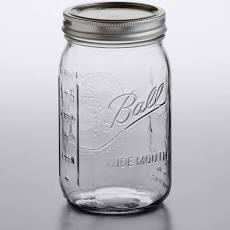


Another example is trail mix. Does trail mix necessarily need to be in a Ziploc bag? Or could it just as easily be carried in a plastic container or mason jar in your bag? These are quick and easy fixes. Therefore, it’s clear to see that we really aren’t as dependent on baggies as we might think we are. And making the shift isn’t as hard as one might think. 😊
Granted, there are some instances where a baggie’s flexibility (and specific ability to hold liquids) cannot be matched. For these cases (when you want the versatility of a product to “do it all”), an incredible alternative is the reusable silicone bag. I am a huge fan of the brand Stasher bags. Stasher bags are self-sealing bags made of nontoxic, food-safe silicone which store anything and everything! They also come in different sizes, shapes, and even some pretty cool colors. 😉 Perhaps equally as importantly, you can wash them easily with your normal dish brush (or sponge) and soapy water. After propping them up in your drying rack, they will air dry, then be ready for future use. Stasher bags seem to be a favorite among many people, but there are other good options on the market, too.

Not only does this considerably reduce the weekly (or daily) load of plastic you’re throwing in the trash, but it also saves you money. With every disposable thing you buy and then throw away, it requires you to later return to the store and spend money on the same thing again. Seems like an inefficient system, eh? Instead, you can buy something once and never have to buy it again (Stasher bags can literally last for decades if you take care of them). While Stasher bags tend to have a higher upfront cost, the key is that you won’t need to continually buy single-use baggies, and will begin to save money over time. Furthermore, if the upfront cost feels steep, you can always buy one bag at a time, every so often, to build up your collection over time (and slowly phase the single-use bags out). After all, the key to becoming more sustainable is not that you have everything perfect at once, but that you’re continually improving in the sustainability direction. 😊

So, what do you think? Does it seem about time to ditch the baggage of baggies? Comment below with what strategy you plan to use (plastic containers, glass jars, metal tins, or silicone bags) in order to curb your use of single-use baggies! Together, we can reduce our daily impact in the kitchen, at lunchtime, and on the go.


Comments