Jul 2020: Single-Use Plastic and Climate Change
- Kaili Brande
- Jul 16, 2020
- 6 min read

Updated: Jan 8, 2022
Hi All! As you may have noticed from several of the posts in this blog, single-use plastic tends to be a common enemy in the sustainability world. In the spirit of Plastic Free July, a rising yearly movement championed by Plastic Pollution Coalition, Jack Johnson, and others, we will discuss single-use plastic in this month’s post. I truly believe that by reducing your overall use of plastics, you can be a more sustainable consumer and tremendously reduce your impact on the environment.

However, I think one of the biggest things that stand in the way of people reducing their plastic use is lack of motivation. For example, consider this perfectly normal, inner dialogue of a person: “Why would I, as a normal consumer, want to reduce my plastic use if it makes my life easier, faster, etc.? I do believe in climate change and I know there are increasing wildfires, natural disasters, and rising temperatures, but why would my use of a plastic fork affect any of those events?”

Unfortunately, using a plastic utensil does affect those events, and plastic use does worsen climate change. Obviously, using any type of resource will cause a strain on the environment because of the production costs, distribution costs, and disposal costs (see discussion below). Yet using plastic specifically (versus metal, wood, or cotton, for example), and specifically single-use plastic, has an incredibly substantial environmental impact.
To figure out why, it is important to look at the ENTIRE life cycle of plastic. This “life cycle” is similar to that of any living organism, such as the example with frogs below. There is a beginning point, a middle “life”, and an ending point. Instead of the reproduction part for frogs, plastic is “produced” from raw materials (or rarely, recycled from old plastics). These raw materials are most often synthesized from oil, natural gas, or coal. And as you may know, oil, natural gas, and coal are major contributors to greenhouse gas production and ultimately the warming of the planet (climate change).


As with the production of any type of item, there are large energy costs at each stage of plastic’s life cycle. In the case of plastic, there are also large emissions of carbon dioxide (and other climate change-contributing gases) at each stage.
Plastic's life cycle includes:
1. Production
· The extraction of oil, natural gas, or coal from the ground, and transportation to the
laboratory
-According to a report from Yale Climate Connections, an estimated “12.5 to
13.5 million metric tons of carbon dioxide equivalent are emitted per year while
extracting and transporting natural gas” that is used to make plastic.

· The energy required in the lab to produce plastic from the raw materials
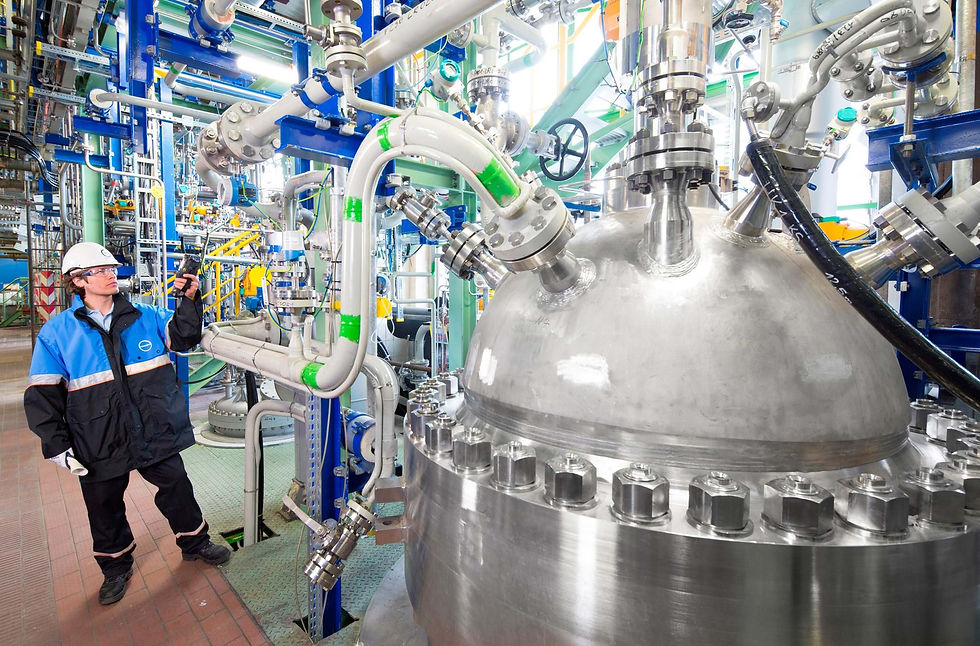
· The emissions produced by the plastic production facility
-According to the same report from Yale Climate Connections, “in 2015,
emissions from manufacturing ethylene, the building block for polyethylene
plastics, were 184.3 to 213 million metric tons of carbon dioxide equivalent,
which is about as much as 45 million passenger vehicles emit during one year”.

2. Distribution
· Shipping or flying the product from the production facility to the store where it will
be sold
-Shipping products has been estimated to account “for somewhere
between 2% and 3% of global greenhouse gas emissions – it's often compared
to Germany in terms of the scale of emissions”.

3. Use
· The consumer using the product (which could last 30 seconds, 20 minutes, etc.)

4. End of Life
· Recycled: According to the US EPA, in 2017 only 8.4% of plastic was recycled in the
U.S. If the plastic gets recycled, there is still an associated energy cost. However, it
is most likely not recycled, in which case we go below to ‘Disposal’.
· Disposal: This is where most plastic ends up: in a landfill, where it begins to
decompose over many years. The average time it takes for common single-use
plastics to degrade ranges from 20-500 years.
-The environmental impact of the plastic can be exacerbated if it is burned as
an energy source, where it can release toxic dioxin gases.
-Not only can plastic degrade the local land or water resources, it actually
can cause air pollution as well. This blew me away when I first read it: plastics
gases) into the air when exposed to sunlight!

Furthermore, disintegrating plastic poses a special concern for marine ecosystems, if plastic disposal occurs near the coast. The classic example are large marine mammals dying from ingesting plastic pieces (i.e. this whale), but even smaller organisms such as fish larvae can be affected through consumption of microplastics.

Therefore, it is EXTREMELY important for us to consider the materials we use on the daily. This can span from the kitchen, to decorations, to our bathroom products. If you are presented with the option to buy either the plastic or glass/metal/cotton version of something you want, choosing the non-plastic option is usually lower impact. For example, when I go to the supermarket and buy a carton of eggs, there are several options for me to choose. Cardboard egg cartons have been around for decades (if not longer!) and they usually do the trick of protecting the eggs. But lately I’ve seen companies package their eggs in multi-layered plastic cartons (see below). This use of plastic seems unnecessary and wasteful, not to mention it may not be recyclable depending on your local recycling facility. Therefore, I try to always choose the cardboard carton. While cost is understandably a factor in many shopping decisions, we as consumers can pick and choose, overall reducing our plastic consumption in some areas, even if we can’t do it in all areas.

Don’t get me wrong, plastic has been a historically invaluable resource in helping society progress and technology progress, and it is important to recognize that. We wouldn’t have the same standard of living had synthetic plastics not been invented in 1907 and expanded dramatically during and after World War II. This is especially notable in the medical industry, where plastic is used for syringes, IV tubes, and generally keeping things more sanitary.
However, in today’s general society, plastic is far over-utilized, especially for single-use purposes that don’t need high sanitation. Instead of using plastic where its durable qualities are most needed, it’s used to make almost everything but in a cheaper form. For example, do we really need our Q-tips to be made from plastic? Do the paper-stick Q-tips not work properly? No, and so plastic was unnecessarily used for that product. Do we really need our food to-go container to be made of that sturdy black bottom and clear plastic top, if we simply eat the food in 30 minutes and throw the container in the trash minutes after? What if that was made from a paper clamshell container instead? That container would break down in a compost or landfill many years sooner than the plastic container would.

Did the paper container break from the weight of the food? No, and so plastic was unnecessarily used for that product, and paper could have easily been used to make that container. Furthermore, a substantial amount of greenhouse gas emissions were released to produce that container that didn't necessarily need to be plastic. Of course, there are greenhouse gas emissions produced when any product (i.e. the paper clamshell) is produced, but plastic has a disproportionately high impact on the environment, and this difference should be accounted for. See my previous blog post here for more information regarding to-go containers. :)




So next time, let’s free ourselves of single-use plastic where possible! While some products should definitely remain plastic for their durability and purpose (think: ice chest you keep in the garage and use for your picnics for 10 years), other products, namely “single-use” items (think: plastic cup for your Starbucks macchiato) do not necessarily need to be made of plastic.

The solution to this issue is REUSABLES! You can start small by choosing to use real silverware rather than that pesky plastic fork. This can be achieved by either bringing your own reusable utensils for ordering takeout, or eating in at restaurants (although this is a bit limited right now due to quarantine measures). Below is an example of a wood utensil set that you can carry around with you in your car, purse, backpack, etc. when you want to grab some food to go!

As sustainability blogger and cookbook author Max La Manna posted on his Instagram: “Plastic is Poison”. Let’s choose to reuse and reduce our single-use plastic use, one product at a time! That way, when we proudly state our commitment to fighting climate change, we can hold ourselves accountable and put action behind our words. As they say, actions really do speak louder than words. Let’s do it together, for Plastic-Free July! 😊


Comments