Nov 2020: Shopping Locally
- Kaili Brande
- Nov 22, 2020
- 6 min read

Updated: Jan 8, 2022
Hi Friends, welcome back to the Sustainable Millennial blog! I hope you all are doing well as we transition into fall and winter (and have survived months of the pandemic, U.S. elections, etc.)! As the holidays approach and we plan future meals and gift giving, one thing that can help make us more sustainable citizens of the earth is shopping locally. What do I mean by shopping locally?
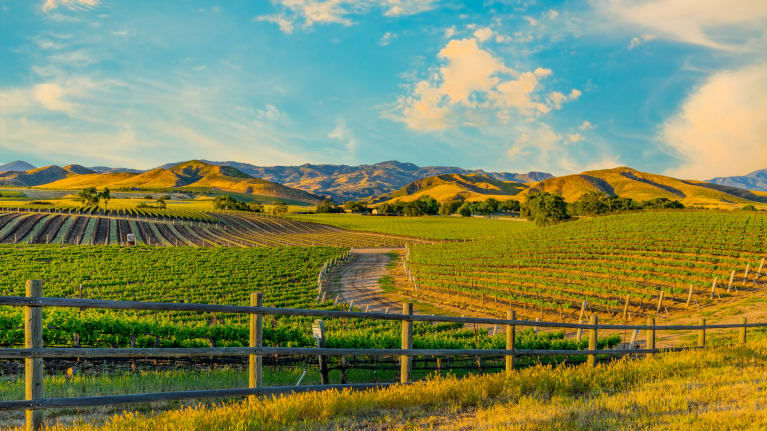
Shopping locally means buying products that are grown, made, or at least sold as close to where you live as possible. Of course, the “localness” of products near you may be limited by where you live. If you live in a rural place or somewhere far from agriculture or other businesses, it may be harder to find local items (or you’ll have to ask around your local community to seek them out, as they may be harder to find). For those of us that live almost anywhere in California (except for maybe the far remote corners!), we are blessed to live in a state that has an incredible variety of locally-produced products. After all, if California were its own economy, it would be the 5th largest in the world! And a large component of that is agriculture. For the U.S., over 1/3 of the country's vegetables and 2/3 of the country's fruits and nuts, as well as 81 percent of wine, comes from California! So for California residents, it may be relatively easier to find local produce than other locations in the world.
Regardless of where you live, one of the best ways to find local produce (and support local farmers!) is to shop at farmer’s markets! They are usually held on a weekly basis in local community centers or areas. Some of the best-ranked farmer’s markets in California can be found here.
Shopping at the local farmer’s market isn’t just a trendy thing that “influencers” post about on Instagram (although there are lots of great photo-taking opportunities!). It also isn’t just a do-good, feel-good thing that rich people do in their spare time on the weekends. Farmer’s markets are for everyone, because they are usually comparable in price to conventional markets. Recipients of food stamps (SNAP) from the government can actually use their benefits to purchase food at farmer’s markets too!

So, how does buying from farmer’s markets make your shopping more sustainable? These are the potential benefits:
1. Reducing the carbon emissions it took to deliver your product to you. For example, instead of having your frozen chicken shipped from the Midwest, you can buy it from a farmer in Sonoma County, which is just a ~1-8 hours drive away instead of tens of hours away. Perishable products like these have to be shipped in refrigerated train cars, trucks, or maybe even by airplane! All of these transportation methods require fossil fuels to power the engine, thus producing greenhouse gases (carbon dioxide, methane, etc.). These gas emissions directly contribute to climate change, which is obviously something we don’t want to be fueling if we want to be eco-friendly. After all, transportation is the biggest source of greenhouse gas emissions in the U.S.
2. Reduced packaging. Often there is less or no packaging (especially plastic packaging) around the produce you buy at farmer’s markets. This means a lot less waste going to the landfill and/or polluting local waterways or natural spaces. However, a lot of vendors still provide plastic bags in case you forget them. This is the perfect chance to bring your reusable tote bags and reusable produce bags!
3. Supporting local businesses and potentially workers’ rights. The local farmer that grows those strawberries in the next town south? He has a lot less potential buyers to sell to than a multinational corporate conglomeration like Driscoll’s (which basically has an entire world market to sell to). Many larger multinational companies can sometimes get away with mistreating their workers, not paying fair wages or providing benefits, etc., as in this case and this case with Driscoll's. Furthermore, especially in pandemic times, the local farmer’s business might be hurting. So, just for social justice purposes and supporting your community, this is a great idea! Next time you want to buy some of those juicy red strawberries, maybe you can skip the plastic clamshell package of Driscoll’s strawberries at Target or Walmart, and instead swing by your local farmer’s market to pick up some fresh strawberries from your neighborly farmer!


Sources: https://elmcitymarketdelivers.com/driscolls-strawberries-16oz/; https://www.smilepolitely.com/food/market_watch_june_2020/
4. Connecting with your local community. Just by spending some time at the market, you’re bound to connect with either with the farmers and vendors you buy from, or with your neighbors (why not meet up with some friends and make it a social event?)! I’m sure we could all appreciate a bit more sense of community given all the social distancing we’ve been doing.
5. Getting some sunshine and fresh air. Doesn’t walking around outside, peering at fresh produce stalls sound better than drudging through narrow, neon-lit aisles at Walmart?

Of course, buying produce from farmer’s markets is not the only way we can shop locally. Anything we can begin to buy locally is a step toward reducing our carbon emissions and supporting our local businesses and communities.
For example, I recently was in the market for a guitar strap. Instead of buying a cheap black nylon strap on Amazon (that likely would have been manufactured and shipped from China), I chose to buy a Couch guitar strap that was hand sewn in Long Beach, CA. Due to COVID restrictions, I needed to ship it to my house, and it made sense that shipping only took two days (rather than longer like with most products!) because Long Beach is only 2 hours away from here! (Ideally, picking it up in person versus shipping would have produced the least amount of carbon emissions, but this was the best option given pandemic conditions.) The strap was not only hand sewn by local artists, it also reused old vinyl seatbelt material, which would have gone to the landfill but was repurposed and dyed into a beautiful color! I was happy to support a local business and opt for reused (more eco-friendly) materials.


One great way to find local or independent sellers that make products like this is through Etsy.com. Another example of shopping local is ordering new books from the local bookstore website (arranging for curbside pickup in COVID times!) rather than having it shipped through Amazon. I recently purchased a book from an independent bookstore in downtown Santa Barbara, my local city center!
One final example of shopping locally is investing in local food subscription services. And no, this isn’t necessarily any food subscription service where they include a pre-determined set of ingredients to cook yourself (i.e. Blue Apron). While those services are great for helping you hone your home cooking skills and try new recipes, they may not necessarily source their ingredients locally. Which defeats our purposes in terms of sustainability. It is important to find a service that brings you local produce from which you can craft your meals. For fresh produce, one of the best options I’ve seen are CSA (community supported agriculture) boxes! These are typically arrangements with a local farmer to get fresh, seasonal produce delivered in weekly or monthly increments. By purchasing “shares” in your subscription, you help support the farmer through the growing season and receive the freshest produce that is currently growing in your region right now. Furthermore, there is usually minimal to no packaging (your delicious goods are delivered in a simple cardboard box that can be recycled). After all, living off the land (and with the seasons) has been the sustainable way for humans to live since the advent of agriculture (about 12,000 years ago)!

Depending on where you live, subscription services can exist for products other than produce. For those of us that are privileged to live near the ocean, why not take advantage of all the benefits it offers by getting a subscription to sustainable seafood delivery? One program that exists in my current area of Santa Barbara is Get Hooked seafood delivery program. Like the CSA program, you can sign up for a certain weekly delivery increment, and even opt for which kinds of seafood you want! Not only does this support local fishermen working off the local coast, it also reduces the carbon emissions it will take to bring seafood onto my plate. (The alternative being I buy frozen shrimp from the freezer section of Costco, and those shrimp were caught in the Gulf of Mexico or the Atlantic Ocean, much farther away). Thinking about how far our food has to travel to get to us is an important step in quantifying our carbon emissions, recognizing our contributions to climate change, and understanding how our daily decision-making can make us more or less impactful on the environment.

So what do you say? Feeling inspired to start shopping locally? Of course, it doesn’t have to be perfect as you start out. Every small decision each makes a difference, and if we’re all doing it together, it will definitely add up to big impacts over time. Let’s be sustainable shoppers (or “locavores” as they say), for both our local communities and for our environment!

Note: I apologize for the very California-centric way of writing this post, but most of our readers are from California! To those of you living outside of California, I hope these things still feel applicable and are useful! I appreciate your readership from far and abroad! 😊


Comments